Football Numbers 2: Graphics for Crafts & Design
As a graphic designer who has spent years refining brand identities and preparing files for print-on-demand services, I approach every new graphic design asset with a critical eye. It is not just about whether an illustration looks cute; it is about functionality, scalability, and how well it integrates into a cohesive brand identity. Recently, I evaluated Football Numbers 2 for a potential client project involving a local sports boutique launching a new line of custom apparel. The goal was to find a versatile digital product that could bridge the gap between rugged athletic aesthetics and clean, modern Crafts appeal.
First Impressions and Visual Mood
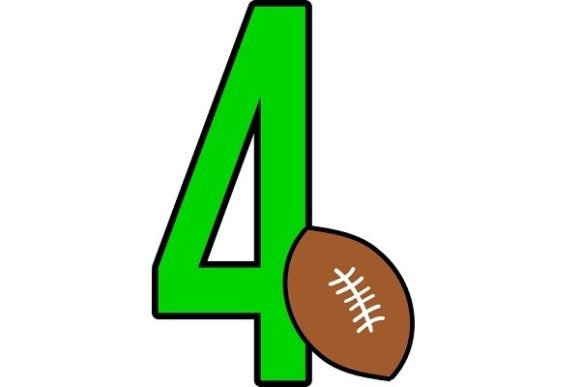
Upon opening the folder, the immediate impression of Football Numbers 2 is one of bold clarity. The design relies on the font called Sing, which provides a sturdy, athletic structure without feeling overly aggressive or cluttered. This specific typographic choice creates a mood that is both competitive and polished. For a designer, this is crucial because it allows the numbers to stand as hero elements in a layout without requiring excessive embellishment. The visual style represents a classic sports aesthetic but with a streamlined finish that fits well within contemporary modern design trends. It naturally fits projects targeting youth leagues, school spirit wear, or even retro-inspired streetwear brands looking for authentic athletic cues.
Versatility in Real Client Projects
The true test of any design bundle is its adaptability across various mediums. In my review, I considered how these assets would perform in real-world scenarios beyond simple digital display. For t-shirt design, the clean lines of the SVG file ensure that vinyl cutters and screen printing processes yield crisp edges. When applied to sublimation design for mugs or tote bags, the high-resolution PNG ensures no pixelation occurs around the curves of the numerals.
I also explored its utility in packaging design for a hypothetical line of sports nutrition bars. The numbers served effectively as decorative accents on the label, helping to differentiate flavors or protein counts while maintaining a cohesive look. For social media graphics, particularly Instagram posts and Pinterest pins, the asset allows for quick creation of engaging content. A marketer can easily drop the number into a Canva template to highlight sale percentages, jersey retirements, or game countdowns. This versatility makes it an invaluable tool for small business branding where resources are limited, and assets need to pull double duty across marketing visuals and physical products.
Strategic Placement and Visual Hierarchy
Understanding where to place Football Numbers 2 is key to maximizing its impact. These graphics work best in large layout areas where they can command attention. They serve excellently as hero graphics on landing pages or as the central focus of a product mockup. In editorial design for a sports magazine or blog, these numbers can break up text-heavy sections, adding visual interest and guiding the reader’s eye through the content. They are particularly effective in sticker design for laptops or water bottles, where the bold shape remains recognizable even from a distance.
However, there are contexts where this asset should be used with caution. Due to the bold nature of the Sing font, it may overwhelm crowded layouts or designs that require a very delicate, minimalist touch. It is not suitable for complex backgrounds where contrast might be lost, nor does it fit the tone of strict corporate materials that require subdued, traditional typography. Designers must respect the visual hierarchy; if the number is the main message, keep surrounding elements simple. Using it in small sizes without adequate spacing can reduce readability, so it is best reserved for medium-to-large applications where its structural integrity shines.
Technical Performance and File Formats
From a technical standpoint, the delivery of this asset is robust. You will receive a zip file containing a comprehensive suite of formats: one SVG file, one PNG file, one EPS file, one DXF file, and one JPG file. This variety is essential for professional workflows. The SVG and EPS files are critical for vector-based editing, allowing designers to change colors easily thanks to simple layers. This editability is a huge time-saver when matching specific brand colors for a client. The DXF file is particularly useful for those working with cutting machines like Cricut, making it a favorite for the Cricut project community and Etsy product sellers who create physical decals.
The PNG file offers transparency, which is vital for layering over photos or textured backgrounds in web design or digital ads. However, designers should always inspect the PNG transparency edges to ensure there is no unwanted white halo, especially if placing the graphic on dark backgrounds. The JPG serves as a quick preview or for use in platforms that do not support transparent backgrounds. Having all these formats in one design assets package eliminates the need to convert files manually, reducing the risk of quality loss.
Practical Designer Notes for Commercial Use
Before integrating Football Numbers 2 into a final client deliverable, I recommend several practical checks. First, test the design in black and white. This ensures that the shape and form of the numbers hold up without relying on color for definition, which is crucial for single-color printing methods like screen printing. Second, check contrast on both light and dark backgrounds. While the bold style helps, ensuring sufficient contrast maintains visual trust and professionalism.
Preview the asset at various sizes. What looks striking on a billboard may feel heavy on a business card. Place the graphic on real product mockups to see how it interacts with fabric textures or paper grains. If you are using the vector files, compare the aesthetic against other typefaces in your library, such as serif, sans serif, script, or handwritten fonts, to ensure it complements rather than clashes with existing brand elements. Finally, and most importantly, confirm the commercial license terms. Whether you are creating printable design sheets for download or physical goods for a creative marketplace, understanding usage rights protects both you and your client from legal issues. This asset, with its clean execution and versatile file types, stands out as a reliable choice for professionals seeking efficiency and style in their creative design workflow.